
Highlights
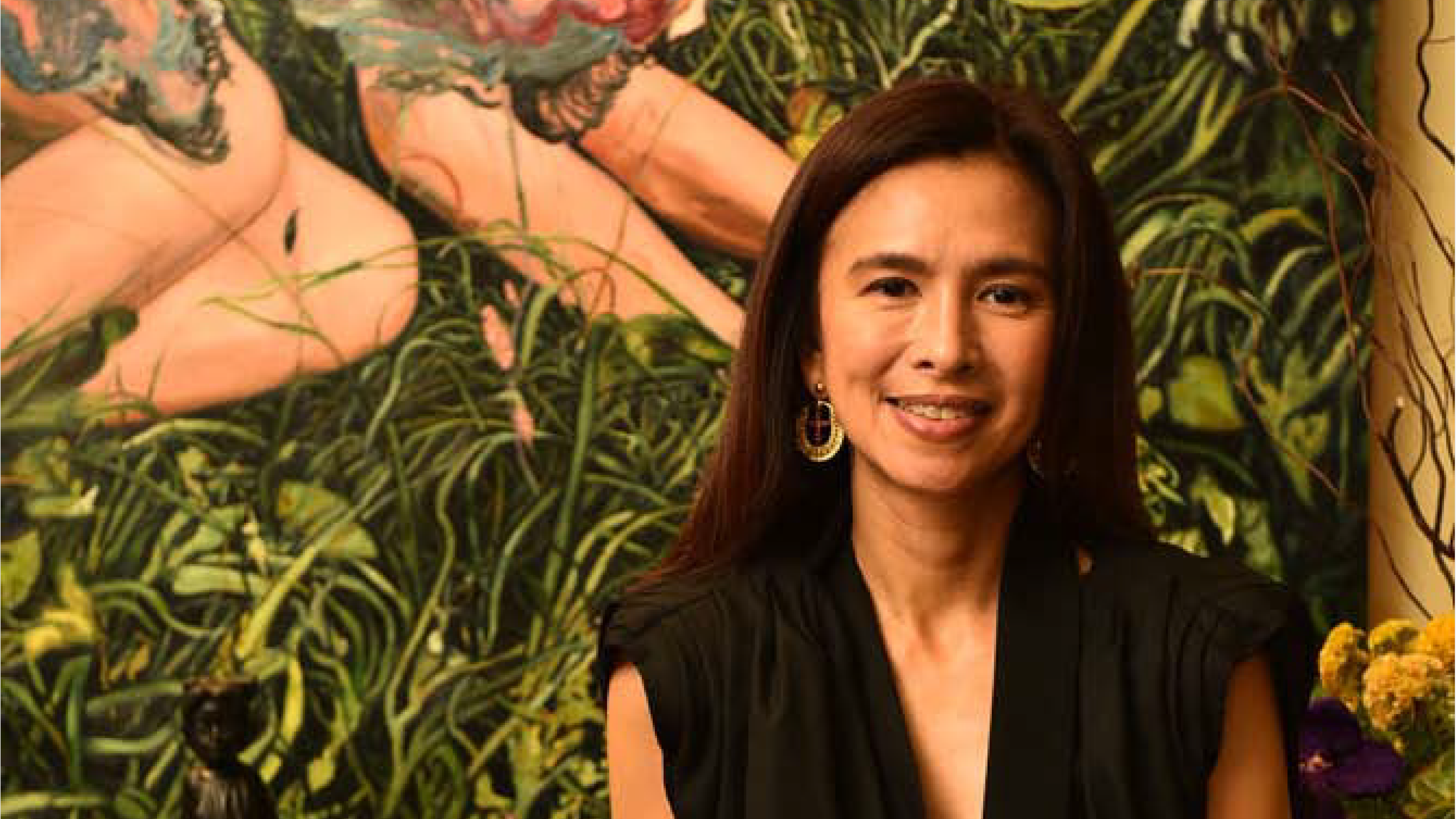
An Interview with Trickie Lopa
In 2006 Trickie Lopa founded the affordable art fair Art In The Park, together with Lisa Ongpin-Periquet, to raise funds for the Museum Foundation of the Philippines, of which she was then a board member. In 2012, the duo set up Philippine Art Events Inc., and together with Dindin Araneta, they now manage Art In The Park, Art Fair Philippines (founded in 2013) and The Nonesuch fair (established in 2017). Orientations talked to Trickie about her taste in art, how she developed her collection and how she displays it in her Manila home.

Philippine Gold: Southeast Asian Trade and Transmission
The Wenxian tongkao (Comprehensive Examination of Literature by Ma Duanlin [1245–1322]) mentions a Philippine ship arriving in China in 982 and subsequent dynastic records list gold as an item of exchange. But the Chinese records contain no details about the nature of the gold that was traded, and it is not until the 16th century arrival of the Spanish that we are provided with a wealth of information about gold working and the ornaments themselves.

An Interview with Kjeld von Folsach, Director of the David Collection
The David Collection in Copenhagen, Denmark, was founded in 1945 by the prominent lawyer Christian Ludvig David (1878–1960). The collection, consisting of three main categories—Islamic art, 18th century European art and Danish early modern art—is housed in the building that was once his residence and a neighbouring property acquired in 1986. It is entirely funded by private means through the C. L. David Foundation and Collection, which also supports other institutions, excavations and publications. In his role as director since 1985, Kjeld von Folsach has overseen the strengthening of the collection and the total renovation and reinstallation of the museum. We speak to him about the evolution of the collection and future plans for the museum.
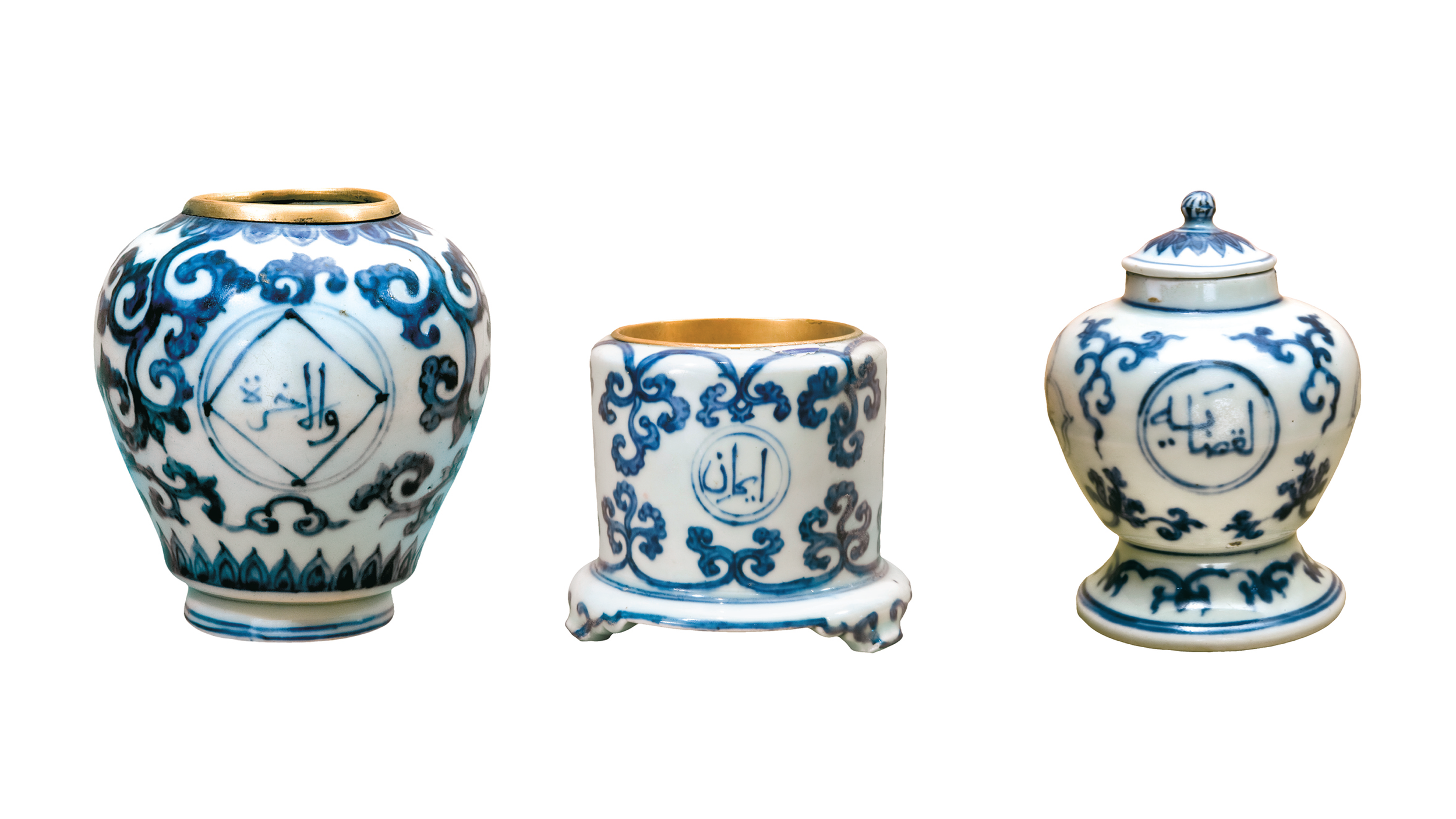
Muslim Blue, Chinese White: Islamic Calligraphy on Ming Blue-and-white Porcelain
Nearing the end of the second decade of the 21st century, the world is witnessing a global pivot toward Asia in international affairs. Meanwhile, China’s ambitious Belt and Road Initiative is predicated upon the global importance of mutually beneficial relations between China and its westward neighbours, a vast proportion of whom are Muslims. The success of the initiative, with its economic and political aspirations, depends on bringing together people of diverse cultures, evoking the history of ancient commercial overland and maritime trade networks, romantically imagined as the ‘Silk Roads’.

The Making of ‘Eternal Offerings’: A Collaboration
The Minneapolis Institute of Art (Mia) possesses one of the great collections of archaic Chinese bronzes in the United States. While additions have been made in recent years, the core of the collection was bequeathed to the museum in 1950 by Alfred Fiske Pillsbury (1869–1950) (Fig. 1). Ranging in date from the Shang (c. 1600–1046 ) through the Han (206 –220 ) dynasties, the collection was the result of a relationship between Pillsbury and international art dealer C. T. Loo (1880–1957), who, in the 1930s and 40s, located excellent examples of nearly every vessel type

Ya Chou lei: A Unique Shang Wine Vessel at Mia from the Former Qing Imperial Collection
Among the outstanding ancient Chinese ritual bronzes collected at the Minneapolis Institute of Art (Mia)—the majority of them were bequests of Alfred F. Pillsbury—one vessel known as Ya Chou lei particularly stands out. Not only was it formerly in the Qing imperial collection and recorded in Xiqing gujian (12.6), a catalogue documenting the Qianlong Emperor’s collection, but its origin and patron, intricate design, and casting technique are also fascinating.
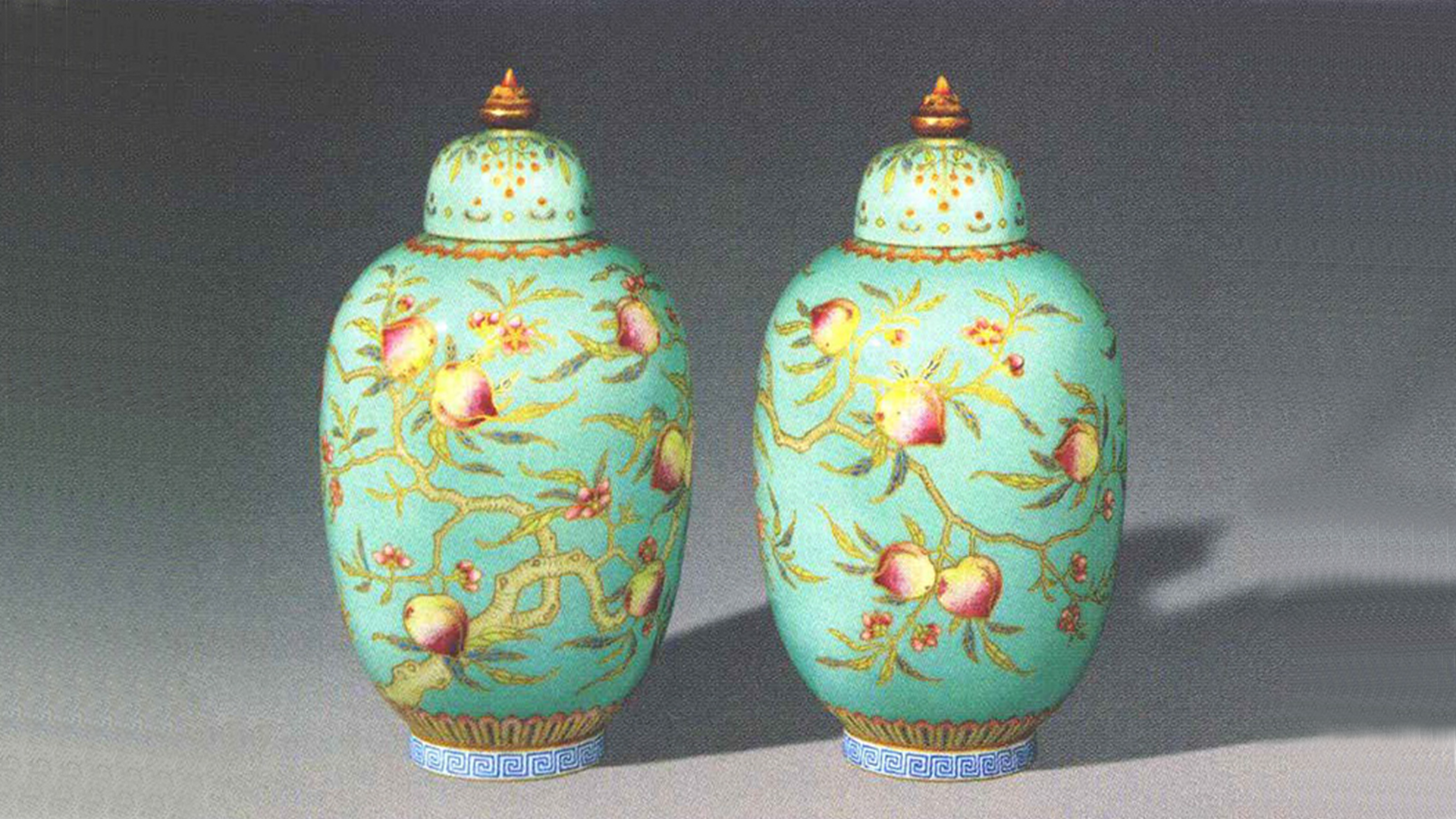
Conversation with a Collector
The Wangxing Lou Collection, assembled over the last twenty years, is considered one of the foremost Chinese private collections of Qing period (1644-1911) imperial ceramics. The collector, who prefers to remain anonymous, spoke to Henry Howard-Sneyd about his fascination with Qing ceramics.

The Origins of Guyue Xuan Enamelled Glass Wares: A Documentary Group of Qing Imperial Enamels Produced in the Inner Palace between 1767 and the 1770s
Now that we know the origins of the name Guyue xuan, the date of its inauguration in 1767, the burst of production in a few months of summer/autumn of each year, and its place of manufacture in the Forbidden City, we are in a position to consider the objects’ purpose.

An Interview with Dr. Katherine Crawford Luber
I joined Mia in January 2020, just two months before the museum had to close its doors for the pandemic. As you can imagine, the past two years have been challenging. However, they have also helped me to understand what an incredible opportunity we have here at Mia. I picture the future of the museum as one that centres on three pillars: inclusion, excellence, and sustainability.

‘Decolonizing’ Chinese Porcelains: Ernest Grandidier’s Collecting and Display at the 19th Century Louvre
The 19th century, which witnessed unprecedentedly close, albeit unequal, contact between Europe and China, provides a wide range of hybrid artistic representations that have amazed art lovers both visually and culturally. One of the key forms of Western representation of China is, of course, the collection and display of Chinese artefacts and artworks—especially in France, a country with a long history of admiration, collection, and appropriation of Chinese art.
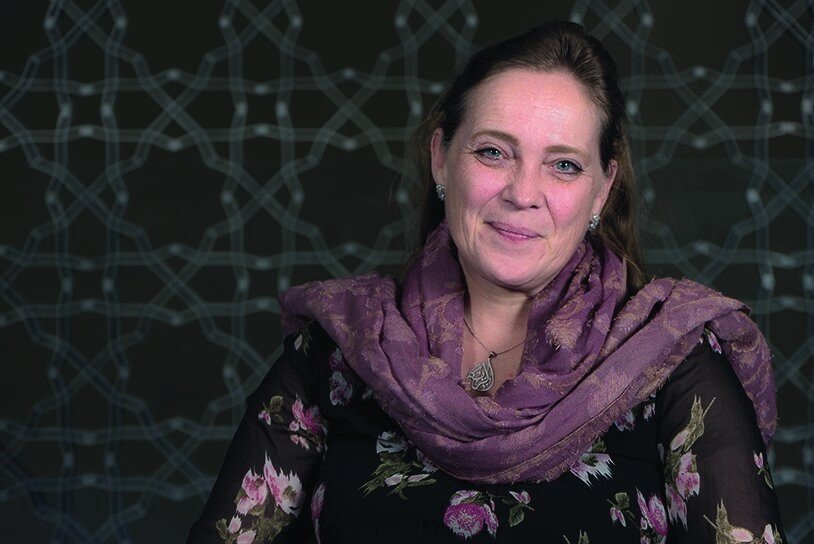
An Interview with Dr Ulrike Al-Khamis: Interim Director and CEO, Aga Khan Museum
Since the museum’s opening in 2014, we have worked consistently to foster a greater appreciation of the contributions that Muslim civilizations have made, and continue to make, to world heritage, as well as the intercultural dialogue and interconnectedness between them and other cultures.
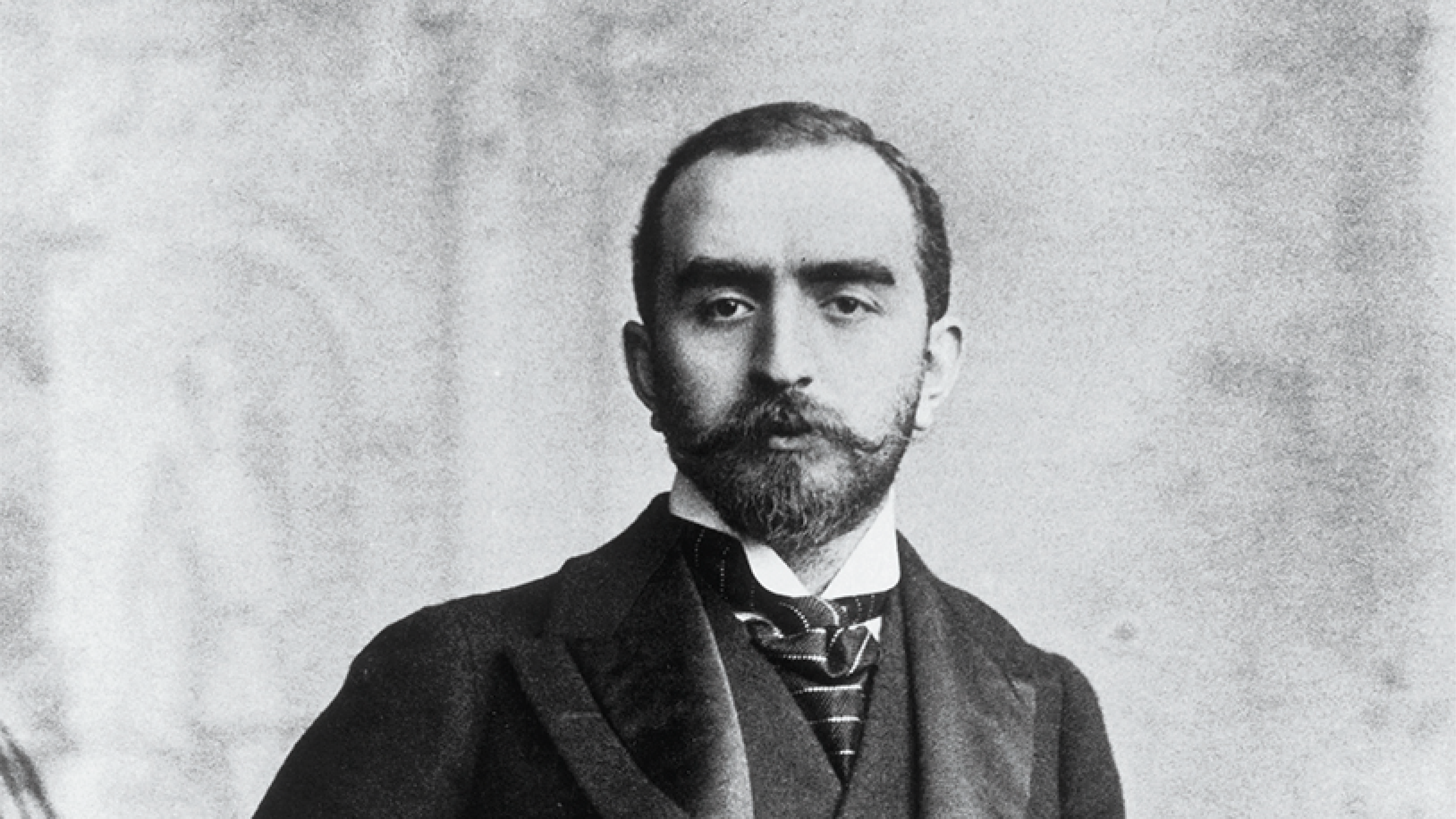
‘An Oriental Collector’: Calouste Gulbenkian’s Taste for Arts of the Islamic World and China
Born in 1869 in Istanbul, the crossroads of Eurasia, Calouste Sarkis Gulbenkian always defined himself as an ‘oriental collec-tor’. His cultural view was expansive, extending beyond the Ottoman Empire of which he was a citizen to the east and west. By the time of his death in Lisbon in 1955, at age 86, this vision was reflected in a splendid art collection comprising some 6,000 objects originating from England to Japan, and dating from antiquity to the early 20th century.
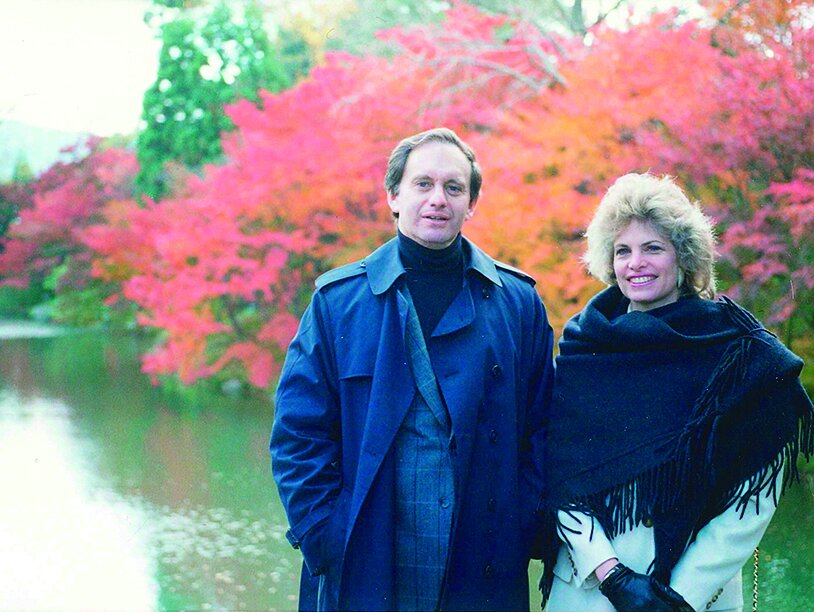
An Interview with Japanese Painting Collectors Robert and Betsy Feinberg
In this interview Yukio Lippit, co-curator of the exhibition ‘Painting Edo: Japanese Art from the Feinberg Collection’ (14 February–26 July 2020) at the Harvard Art Museums, talks to the Feinbergs about their almost half-century of collecting.

The Namazu-e Album at the Royal Ontario Museum and Its Online Exhibition
The Royal Ontario Museum (ROM) in Toronto, Canada, owns an accordion-style album containing eighty-seven woodblock prints depicting and satirizing social situations after a large earthquake hit the city of Edo (today’s Tokyo) in 1855. An online exhibition of this album, Aftershocks: Japanese Earthquake Prints, which displays a selection of forty-two prints, was launched on the ROM website in November 2022 and will be available for several years.
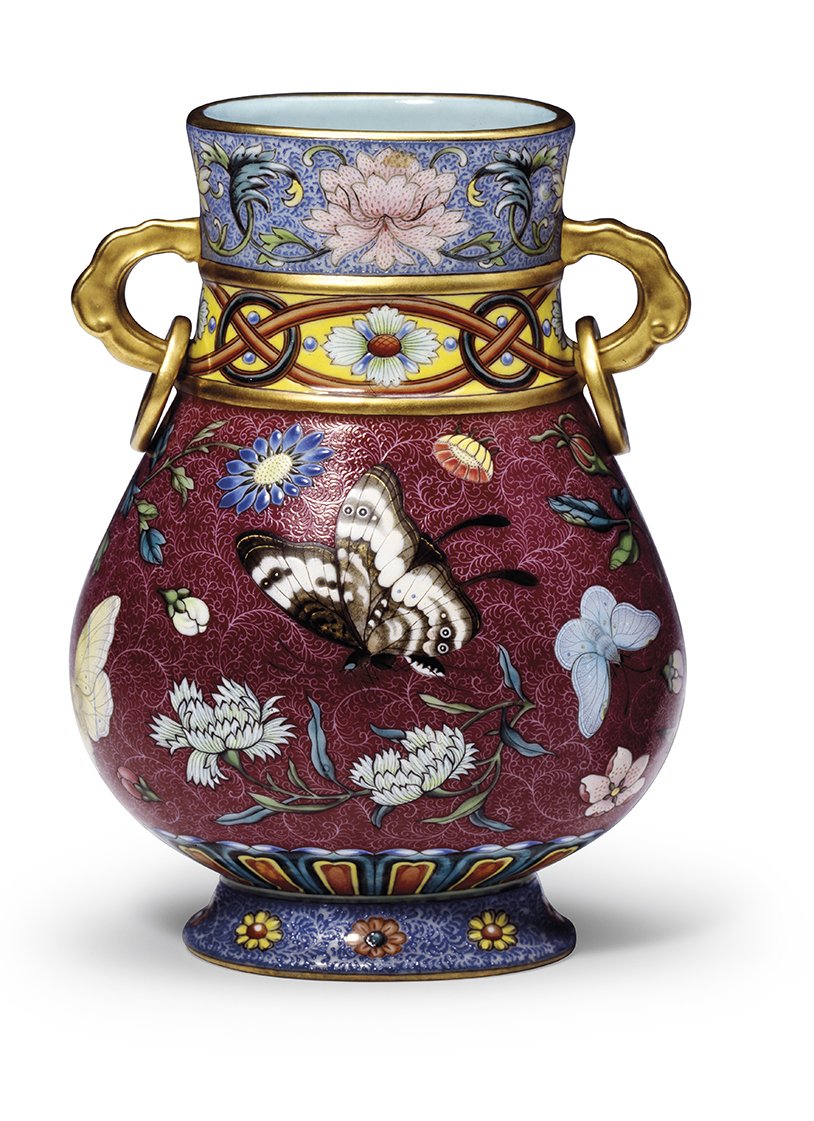
The Secret of Colours: Ceramics in China and Europe from the 18th Century to the Present
The Baur Foundation, Museum of Far Eastern Art in Geneva holds a remarkable collection of Chinese enamelled porcelain dating from the reigns of the Kangxi (1662–1722), Yongzheng (1723–35) and Qianlong (1736–95) emperors. This collection will be the subject of an exhibition opening September 14, 2022, examining how the palette of coloured enamels developed as a result of interactions between China and the West. Technological exchange in the field of enamels has recently given rise to an extensive literature dwelling as much on the historical as on the physical and chemical aspects of this art form (Bellemare, 2021; Colomban et al., 2022; Shih, 2012).

Hua Fengxiang and His Three-hundred-Year Zisha Tradition
Zisha is a special purple-hued stoneware particular to Jiangsu Province, China. Common Zisha products are mainly pots, supplemented by miscellaneous items such as flowerpots and water jars. Most Zisha is round, square, or of other simple geometric shapes and is used as a vessel to brew tea in the ‘loosing tea method’ of the oriental tea ceremony. Boiling water is added to tea leaves in the purple clay pot, creating tea soup mixed with tea leaves and tea water.

Seeing Zen in Prague: A Unique Collection of Japanese Zen Art
The Kaeru-An Collection at the National Gallery in Prague comprises 523 scrolls of Japanese Zen ink painting and calligraphy, a few items of earthenware, and one pair of screens. The collection was built over the course of the past twenty years by the Dutch collector and artist Felix Hess, with expert assistance from the professor John Stevens. Three years ago, Felix Hess donated this exceptional collection of Japanese Zen art, spanning from the 15th to the 20th century, to the National Gallery in Prague, which has recently presented part of the collection in two installations of works in the exhibition ‘Zenga: Japanese Zen Paintings from the Kaeru-An Collection’ in the Salm Palace by Prague Castle.

The Kathmandu Triennale 2077
The Kathmandu Triennale 2077, presented 1–31 March 2022, was the fourth edition of Nepal’s premier international platform featuring local, national, and global contemporary art. Organized by the Nepal Ministry of Culture, Tourism, and Civil Aviation and the Siddhartha Arts Foundation, along with Para Site in Hong Kong, the Triennale discarded the Gregorian calendar for its title in favour of the Nepali Bikram Sambat alternative calendar date of 2077.
More than seventy local, national, and international nonprofit organizations, government entities, corporations, media sponsors, and individuals helped make the Triennale become a reality. Under the leadership of the curatorial team consisting of Cosmin Costinas, Sheelasha Rajbhandari, and Hit Man Gurung, the Triennale featured more than 300 artworks created by 130 artists from forty countries on display at five culturally and historically significant Kathmandu venues. English and Nepali texts accompanied all exhibition artwork, and extensive public programming was held at each location, including performances, workshops, and lectures.
Featuring a wide selection of art practices and approaches, the Triennale included performance, installation, photo, slide, and video art; mixed-media, print, acrylic, oil, tempera, and ink painting; and traditional folk art, painting, sculpture, and textiles, offering visitors unique insights into local, national, and global issues.

Sir Joseph Hotung (1930–2021)
The ancients saw jade as embodying all the virtues of a perfect gentleman, the junzi. As many people noted, Sir Joseph—the philanthropist, collector (particularly of Chinese jade), and businessman—was a gentleman in the true sense of the word and a model of civic-minded humanitarianism. He was also someone of whom it truly could be said that he left the world a better place for having lived in it. However, his name is not generally well known on the world stage because of his innate modesty and desire to maintain a low profile.
Sir Joseph, the grandson of Sir Robert Hotung, was born in Shanghai in 1930 and was educated in China, first in Shanghai and then at St Louis College, in Tianjin (1948–49). He spent many of the war years in Shanghai, and for Sir Joseph, as for many others there, this period was one of deprivation and uncertainty. But he regarded those years as character building; he said his resilience and determination were nurtured during that time. He subsequently spent a year at university in Hong Kong but then decided to go to the United States to take a degree in economics at Catholic University in Washington, DC, where he graduated cum laude.
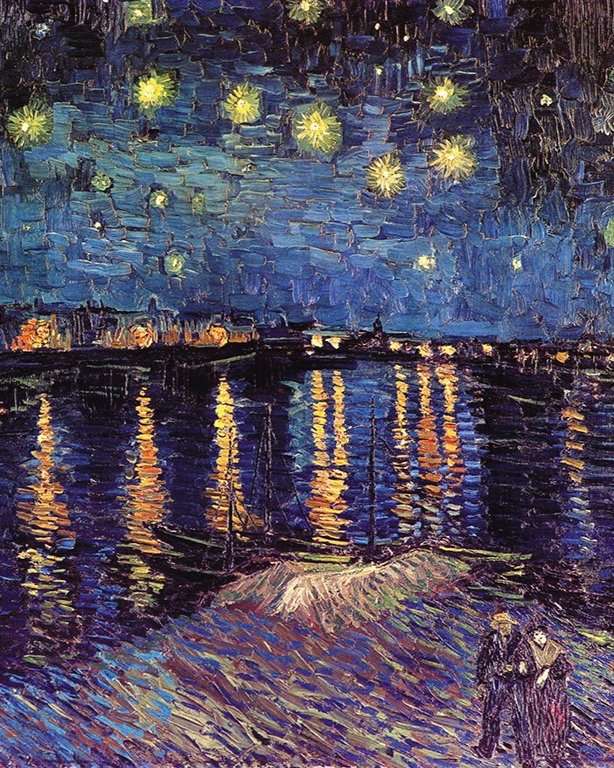
‘Matthew Wong: Blue View’ at the Art Gallery of Ontario, Canada, 13 August, 2021–18 April, 2022
The first non-commercial exhibition of the paintings of the late Hong Kong–Canadian artist Matthew Wong (b. 1984, Toronto–d. 2019, Edmonton), ‘Blue View’ at the Art Gallery of Ontario (AGO), displays the most recent works made by Wong before his untimely death by suicide. A protean image maker, Matthew Wong painted inventively in oil and gouache, mobilizing a vast knowledge of Euro-American and East Asian painting that far surpassed the sources he noted in interviews (for example, Vogel, 2022). Wonderfully, the AGO exhibition, organized by the museum’s chief curator Julian Cox, presents Wong’s paintings without over-interpreting them: the catalogue text and didactic materials in the galleries are brief. These laconic statements permit Wong’s paintings, which reward close looking, distant views, and repeated encounters, to be seen for their considerable technical strengths.